
Health Screenings


This important test combines a heartworm test with a screening profile to determine organ function (i.e. liver, kidneys), and a complete blood count to look for infection or anemia.
Dental disease is a very common problem that affects 85% of pets over the age of 2 years. It can be a source of infection for other areas of the body including the liver, kidneys, and heart. Pain from dental disease can also cause a pet to stop eating, which can lead to or worsen other health issues.

Every time our pets eat, plaque forms on their teeth. Plaque can be removed with brushing. If it is not removed, in 2-3 days it will harden and becomes tartar. Tartar is no longer removable by brushing alone. As tartar builds up, the gum tissue becomes inflamed and irritated. This leads to gum recession, which then leads to bone loss. Bone loss can lead to tooth loss or abscesses (infection). Gum recession and bone loss are irreversible once they occur.

Brushing your pet’s teeth with a pet toothpaste at least 3 times a week is the best home care available. Other options available include dental diets, dental rinses, and dental chews such as those made by C.E.T. Once tartar forms however, the only way to remove it is through a dental cleaning performed at your veterinarian’s office under general anesthesia.

We use a dental disease score from 0-4. Zero is given to teeth with absolutely no tartar formation visible, usually reserved for puppies, kittens, and pets who have just had their teeth cleaned. Grade 1 disease indicates that tartar is now visible, but no gum irritation is noted. Grade 2 means the tartar has started to accumulate, and now there is evidence of gingivitis or gum inflammation. At or slightly before we reach grade 2 is when we recommend a dental cleaning for your pet. At grade 3, the gums have become irritated enough that they are starting to recede. This is irreversible, though a teeth cleaning at this time may help prevent bone loss and the loss of teeth. Grade 4 dental disease is very serious dental disease and many teeth have root exposure due to loss of bone and gum recession. These teeth often need to be extracted. This grade of dental disease is very painful for the pet and performing a cleaning with extractions often leads to pain relief for them.

Cats have a couple of special dental diseases in addition to tartar accumulation. One of these is called resorptive lesions. These are similar to cavities, but are not caused by bacteria. The enamel of the tooth is eaten away and the nerve becomes exposed and painful. Often if we see one of these during an exam it is not uncommon to find more when we have the pet under anesthesia as these lesions tend to form right along or under the gum line. Cats can also have an immune response to their own teeth and have severe gingivitis called stomatitis. This is often seen with very red, inflamed gum tissue.

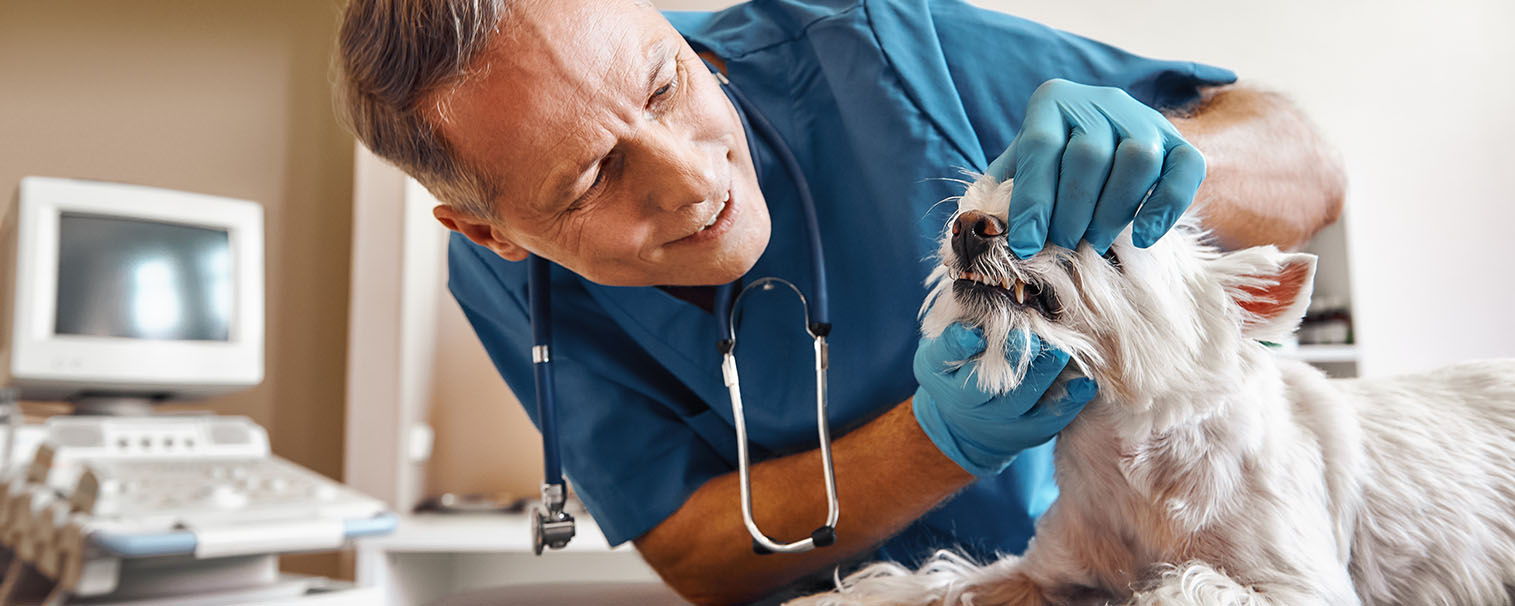
We examine your pet’s teeth at every visit and will let you know if we are seeing any problems, what grade we think your pet’s teeth are, and when a dental cleaning would be appropriate for your pet. Please also monitor for any signs that your pet may be having a dental issue such as decreased interest in food, dropping food, drooling, pawing at mouth, only chewing from one side of the mouth, or blood in or coming from the mouth. If you notice any of these signs, please schedule an appointment so we can determine if your pet has dental disease and what we can do to help them feel better again.
Services